Concealing Female Alopecia and Baldness
Nowadays, there are very good treatments for female alopecia that you can rely on to stop and even reverse baldness. These are great remedies against hair loss in women, but sometimes, these diseases and their symptoms have reached a stage where it is inevitable to resort to techniques to conceal female alopecia and areas of low hair density.
Although there are products, medications, and remedies capable of stopping the symptoms and causes of alopecia, there are times when, due to the natural cycle of healthy hair growth, hair follicles take their time to show new rooted hair growing again.
Whether you are starting a new treatment or the products you are using are not as effective or as fast as you expected, there are a series of tricks and remedies that can help you hide some sparsely populated areas and even camouflage others with evident signs of alopecia.

It all comes down to the initial approach you take. Concealing baldness in women is possible and has a solution thanks to different methods. Below, we detail a list of the most used procedures to hide areas without hair on the head.
Haircuts:

This is the simplest method of all and is generally the first one used. There are plenty of hairstyles and looks specifically designed to help you hide areas with mild baldness. It is the most effective remedy for those small spots where you notice a decrease in the number of hair units.
It can be useful when the surrounding areas retain their naturalness with strong and lush growth. Generally, haircuts to conceal baldness are used in cases of alopecia areata, where patches can be covered with adjacent hair. Hairstyles and haircuts to conceal alopecia are also widely used to cover scars. In cases where the lack of hair is more generalized, modern styles and long haircuts can be used. The drawback of this method is that it is easy to show a messy appearance and can only be used in very early stages.
Wigs and Hair Prostheses:
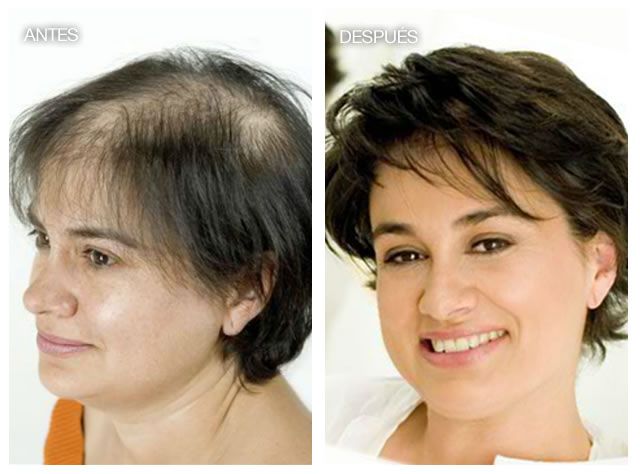
These are products that have evolved so much in recent years that they bear no resemblance to the hair prostheses of the past. Modern wigs for female alopecia, like those used to conceal temporary baldness in women and men due to illnesses like cancer and other conditions, come in various types. They can be glued, loose, made of natural or synthetic hair, and come with very varied costs. The price of wigs can range from $300 to $6000, and the desired effect is to be undetectable hair prostheses. If you’ve never had a new model in your hands and are unsure whether to buy a wig to hide the symptoms and even think that wearing one will be noticeable, it is recommended to try one at a specialized aesthetic center. The new natural hair prostheses go completely unnoticed. So much so that you have probably crossed paths with more than one and didn’t even notice.
Toupees:

They are the smaller sibling of wigs. Toupees are products that cover only a part of the head and due to their smaller size, require less maintenance. They are sold at a lower price than wigs and are mainly used by men. Women usually opt for wigs or natural hair prostheses. Traditionally, toupees have been used by men with alopecia areata or localized baldness.
Microfibers:
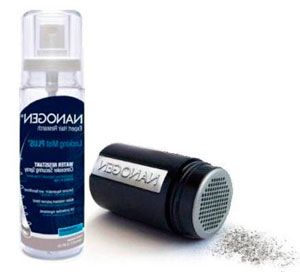
These are products added to the scalp to give the appearance of greater volume. Hair microfibers are used by both men and women to cover hairless areas, and many are made of keratin. The way to use hair microfibers is to gently sprinkle them on the head in areas without hair. This creates the appearance of more hair and hides bare patches. Their use and application are extremely simple.
Hair Transplant Surgery:

This is an effective method for all types of female alopecia, as well as for helping people who have suffered hair loss. Generally, hair transplants are used when treatments for alopecia in women and men are not functional, meaning they do not have the expected results and therefore have not been able to regenerate hair and make hair grow again in the affected areas. When non-invasive treatments are not effective, considering possible hair surgery is recommended.
This type of procedure based on micro-surgeries aims to transplant hair into bald areas. If the hair follicles are irrecoverable or damaged, the techniques and types of hair transplants can be the solution for female alopecia. They are a permanent method to conceal alopecia in women and men, although it requires a prior study and careful consideration before undergoing the process.